I originated and pitched this project at CMU’s Entertainment Technology Center, assembling a team to explore a core question from my previous VR game, Monkeying Around: Can haptics convey profound emotion, rather than just physical sensation?
An immersive VR experience where physical sensations shape an emotional arc.
In The End is an immersive VR experience uses haptic gloves to fuse context into tactile sensation that drives an emotional arc.
Trailer
Can haptic be the motor driving emotional response?

A key inspiration for this exploration was the game Before Your Eyes. Its core mechanic uses eye-blinking to fast-forward the narrative; when the webcam detects a blink, time leaps ahead. This creates a unique emotional tension: when you desperately want to witness a moment but are physically forced to blink, the resulting frustration and longing are entirely different from the feelings evoked by traditional keyboard or controller inputs. We aim to achieve this same level of visceral, non-traditional emotional engagement through haptics.
bHaptics’ TactGlove DK2
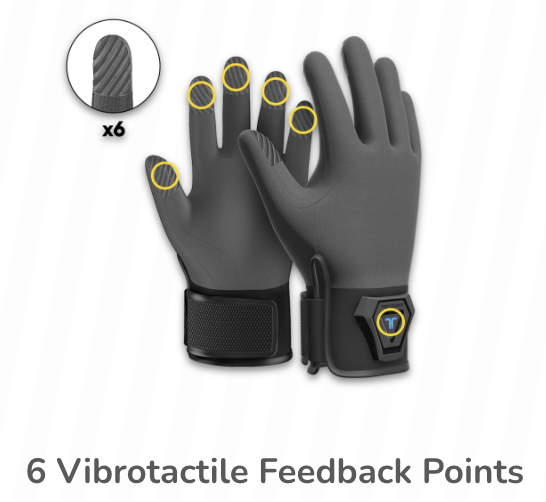
We used bHaptics’ TactGlove DK2, which feature six vibration points across the fingers and wrist. Their well-designed interface and Unity-friendly API made them ideal for our initial exploration without overly complex haptic implementation.
Bottom-up approach: investigate what works
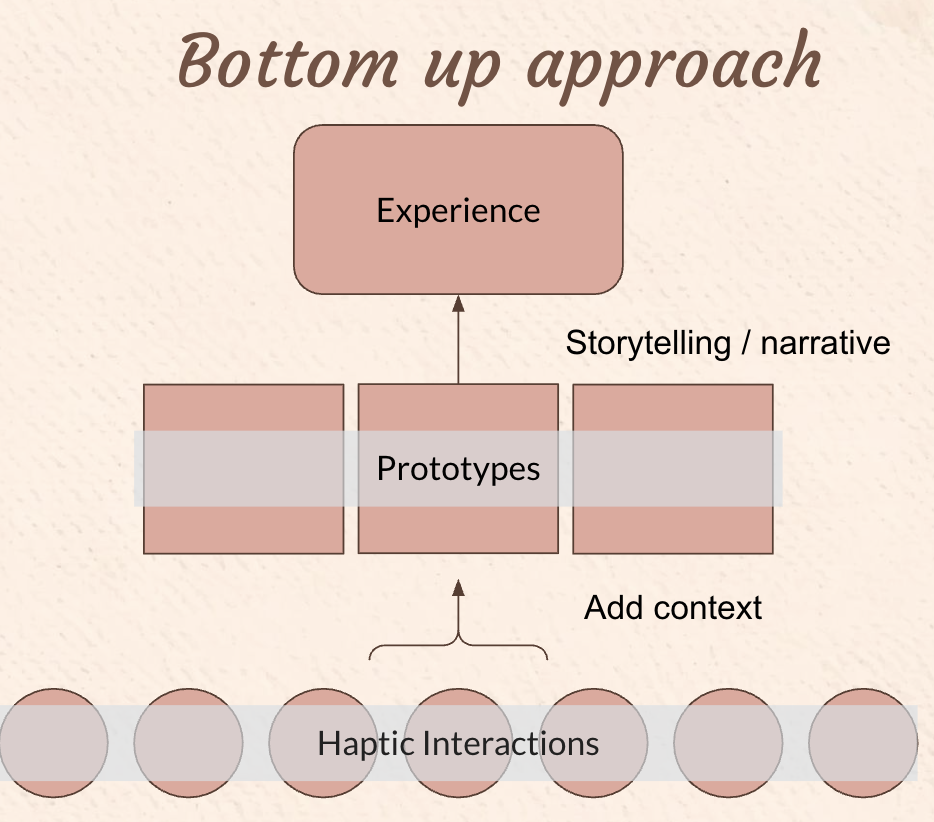
Taking a bottom-up approach, we began by experimenting with fundamental haptic patterns—slap, elastic band, pinch, small human touch, and more. Through multiple prototypes and playtests, we discovered that heartbeat was the pattern most capable of directly evoking emotion, making it the core tactile element of our final experience.
Distill
A Universal Abstract Concept: The Heartbeat
After experimenting with various haptic interactions, we noticed that while people have different interpretations of abstract concepts like telekinesis, they share a unanimous understanding of the heartbeat. Everyone instinctively associates a fast heartbeat with tension and a slow one with peace—even the transitions between them carry inherent meaning. We realized that this intuitive connection is the perfect medium for haptics. Instead of over-engineering new associations, we utilize these existing biological links to trigger authentic emotional states in the user.
Knowing The Constraint

With a limited 7-week timeframe and the need to optimize for Meta Quest 3 performance, we drew inspiration from Return of the Obra Dinn. We decided to present our final experience through static, frozen-in-time scenes, ensuring a seamless performance that prioritizes our core haptic mechanics.
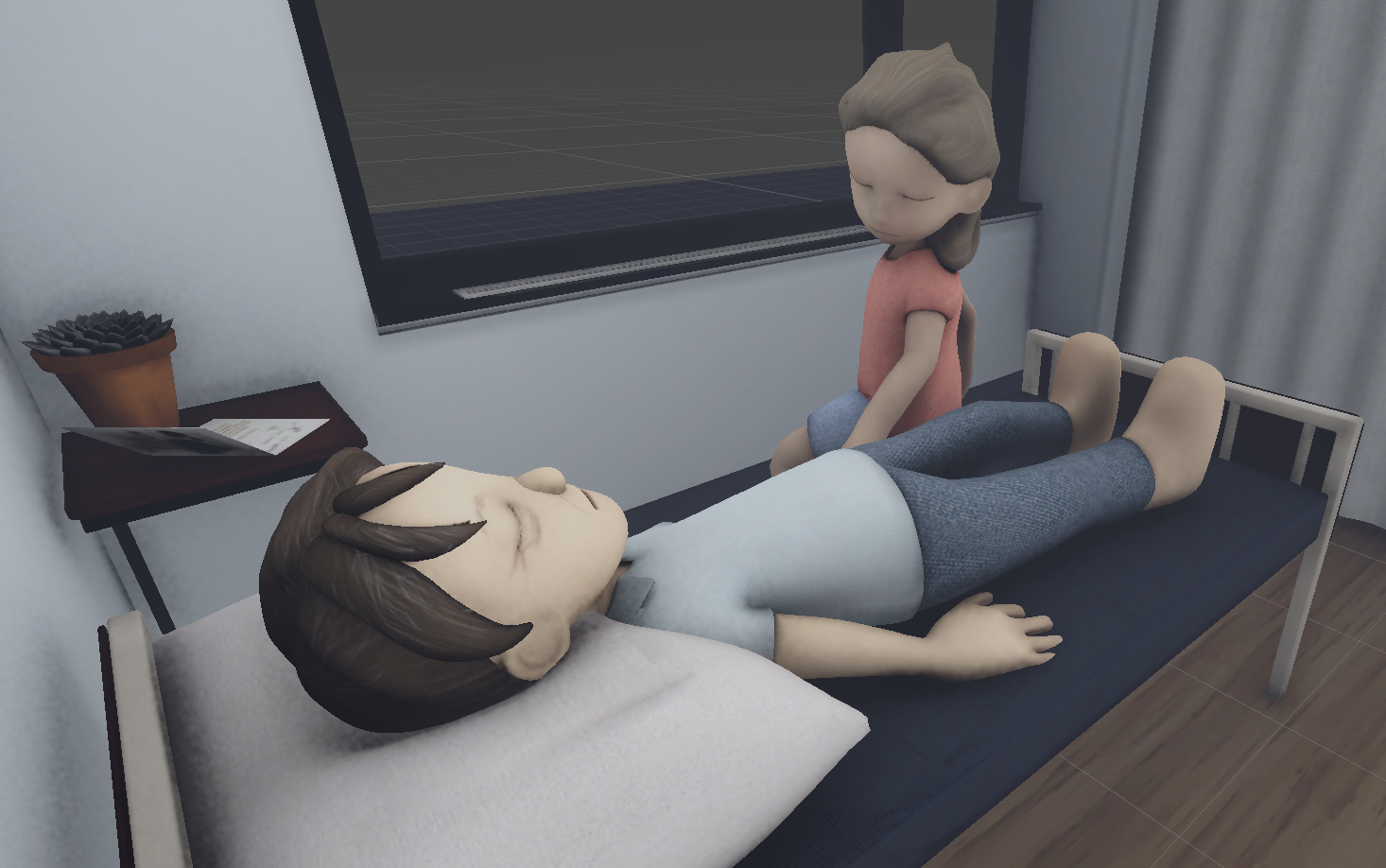
Minimized Visual Noise
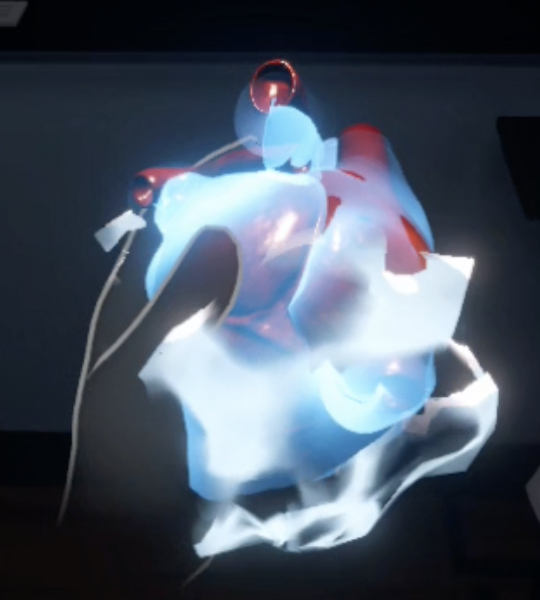
By utilizing a frozen scene, we effectively minimized visual noise to direct the player’s focus toward the primary objective. This minimalist art style significantly reduces cognitive load and eliminates distractions, ensuring players remain focused on the heart, the central source of information, and its heartbeat.
Emphasize Quietly
With the beating heart as the only animated element, the design intuitively signals that it is the sole interactable object.
System Behind the Beating Heart
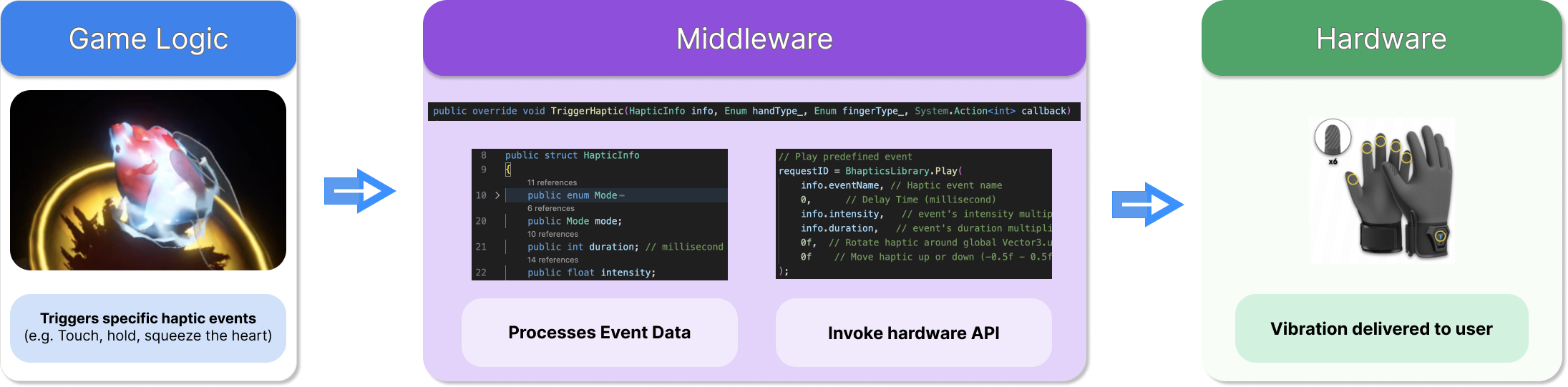
Game-side triggers send event data to an abstract layer, which translates high-level requests into low-level hardware API commands for haptic output.
Pre-Semester Technical Foundations
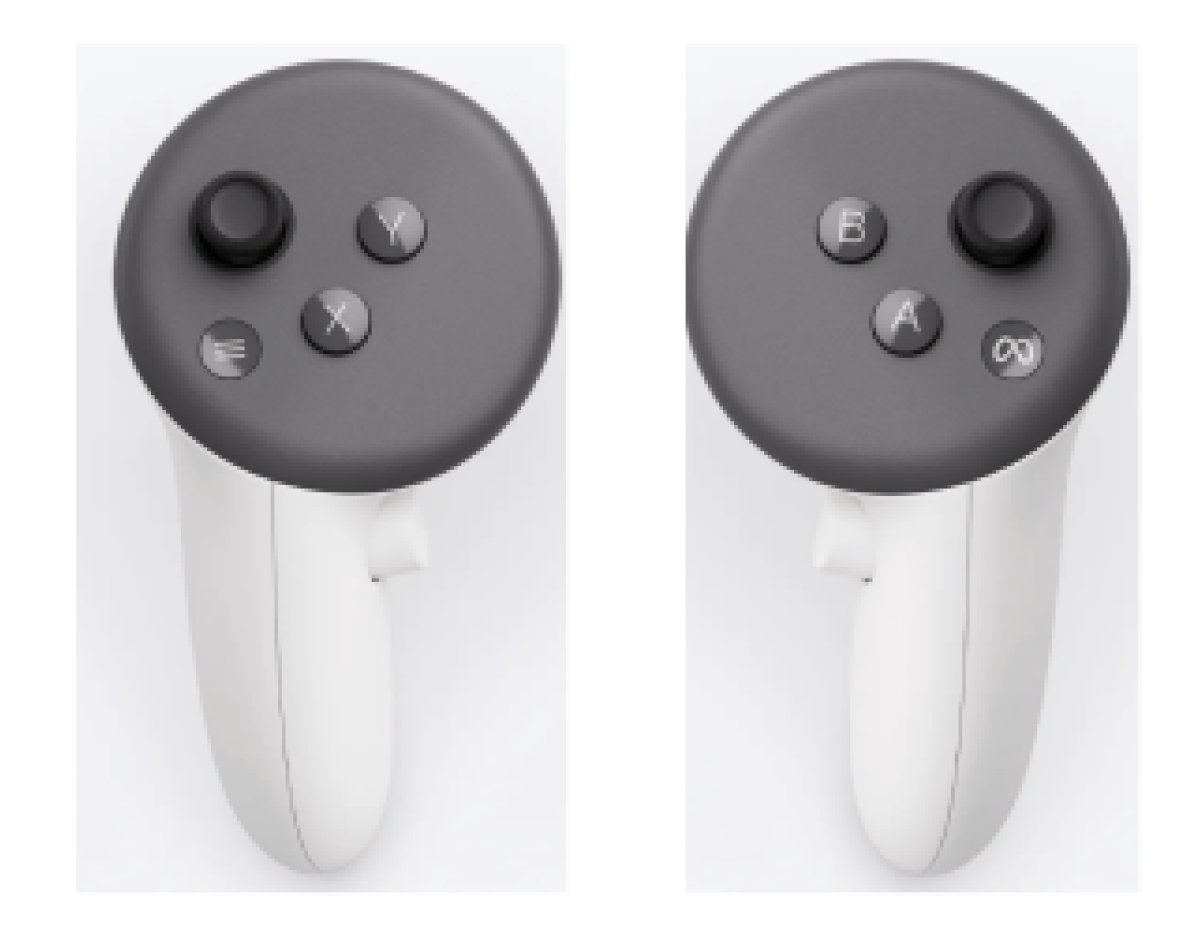
To validate the haptic-driven, event-based architecture, I developed this early-stage framework prior to the semester. Using Meta Quest 3 controllers, I prototyped an elastic band interaction to explore the relationship between physical tension and haptic intensity. This system served as the technical backbone for our subsequent complex interactions.
The possible tools in the future
After a semester of exploration, we arrived at several key takeaways:

Sense Memory is the source through which Haptics trigger emotion.
Sense Memory gives Haptics meaning, and that meaning can in turn evoke emotion. Some highly recognizable Haptics — such as a heartbeat — can be identified on their own and interpreted through Sense Memory, naturally carrying emotional weight.
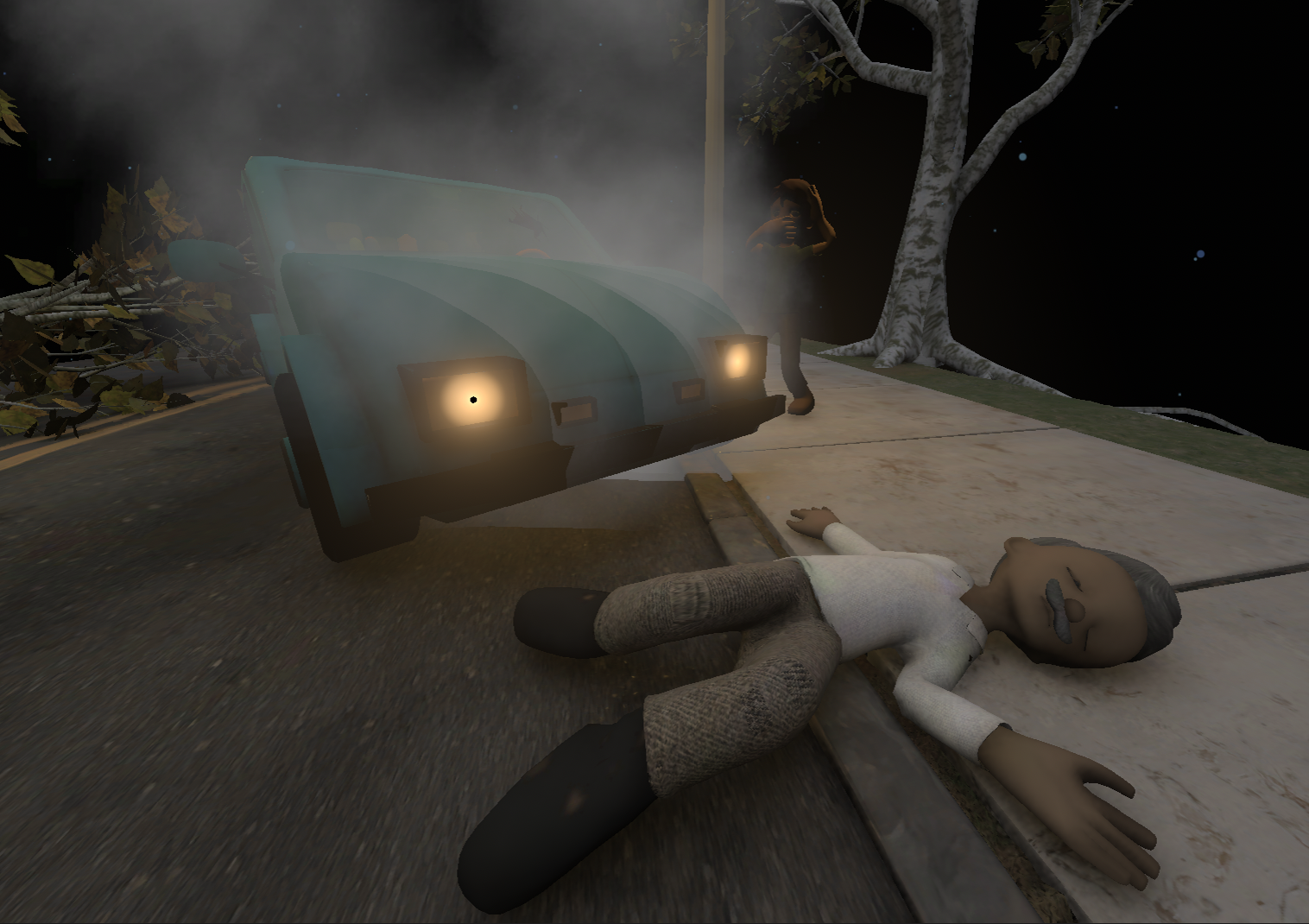
Context can help define ambiguous Haptics and link them to Sense Memory.
Haptics that are too generic may require additional context — such as visual or audio cues — to help the meaning become recognizable, and from there, connect to Sense Memory. Once that connection is made, emotion can follow just the same.
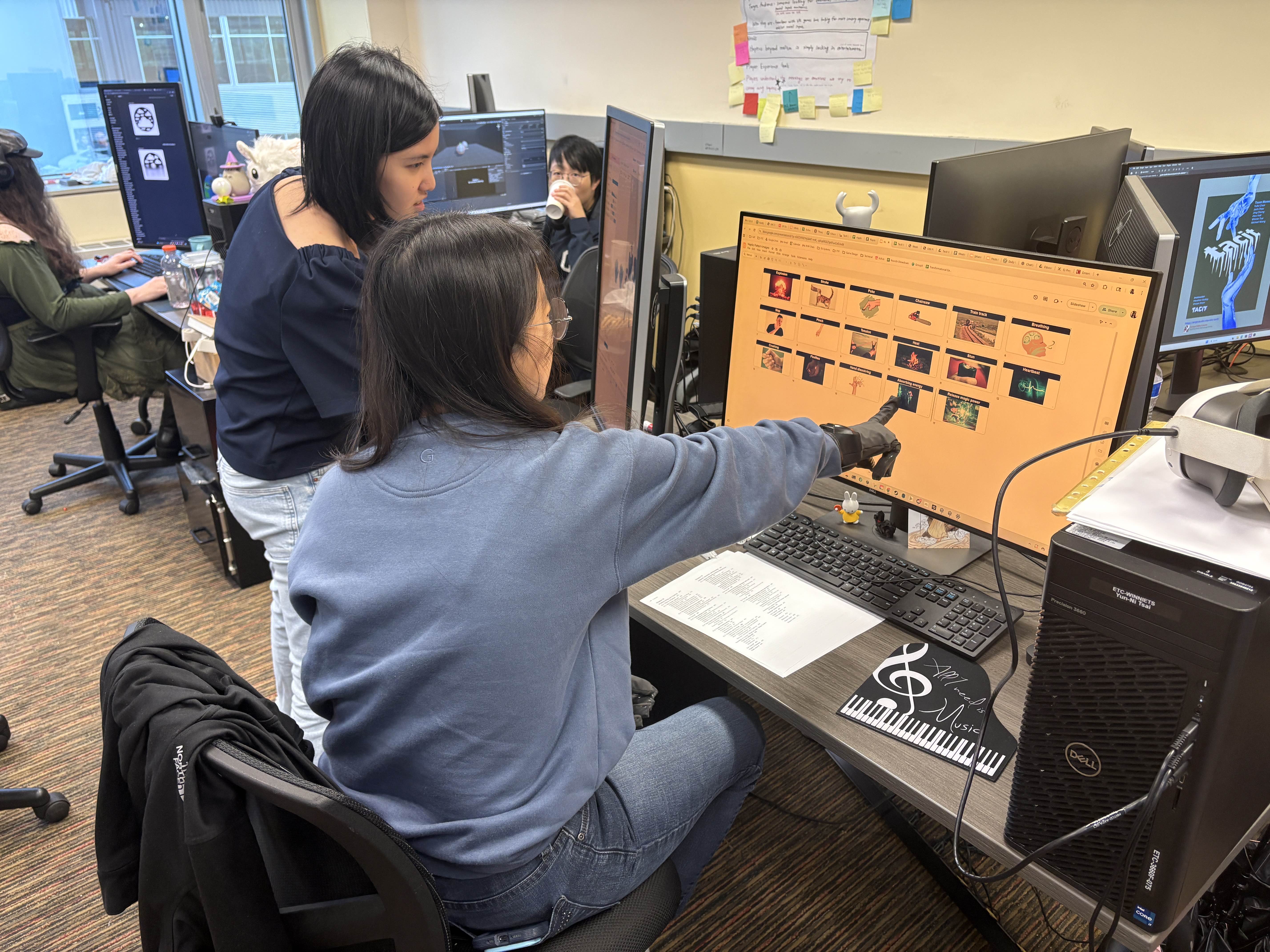
Sense Memory doesn't have to be factual.
The way the human brain stores memories is often not an accurate recording of reality. Take the heartbeat, for example — not everyone has actually felt a heart beating with their own hands, yet it feels like universally shared knowledge. This is because that Sense Memory has been simplified and reinforced through stories and films. The corresponding Haptic is equally simplified, yet it still successfully builds a memory association. This means that if you want to create a Haptic for something that doesn’t exist in the real world, you simply need to first teach players the memory link — and from then on, the Haptic can trigger the emotion on the other end of that connection.
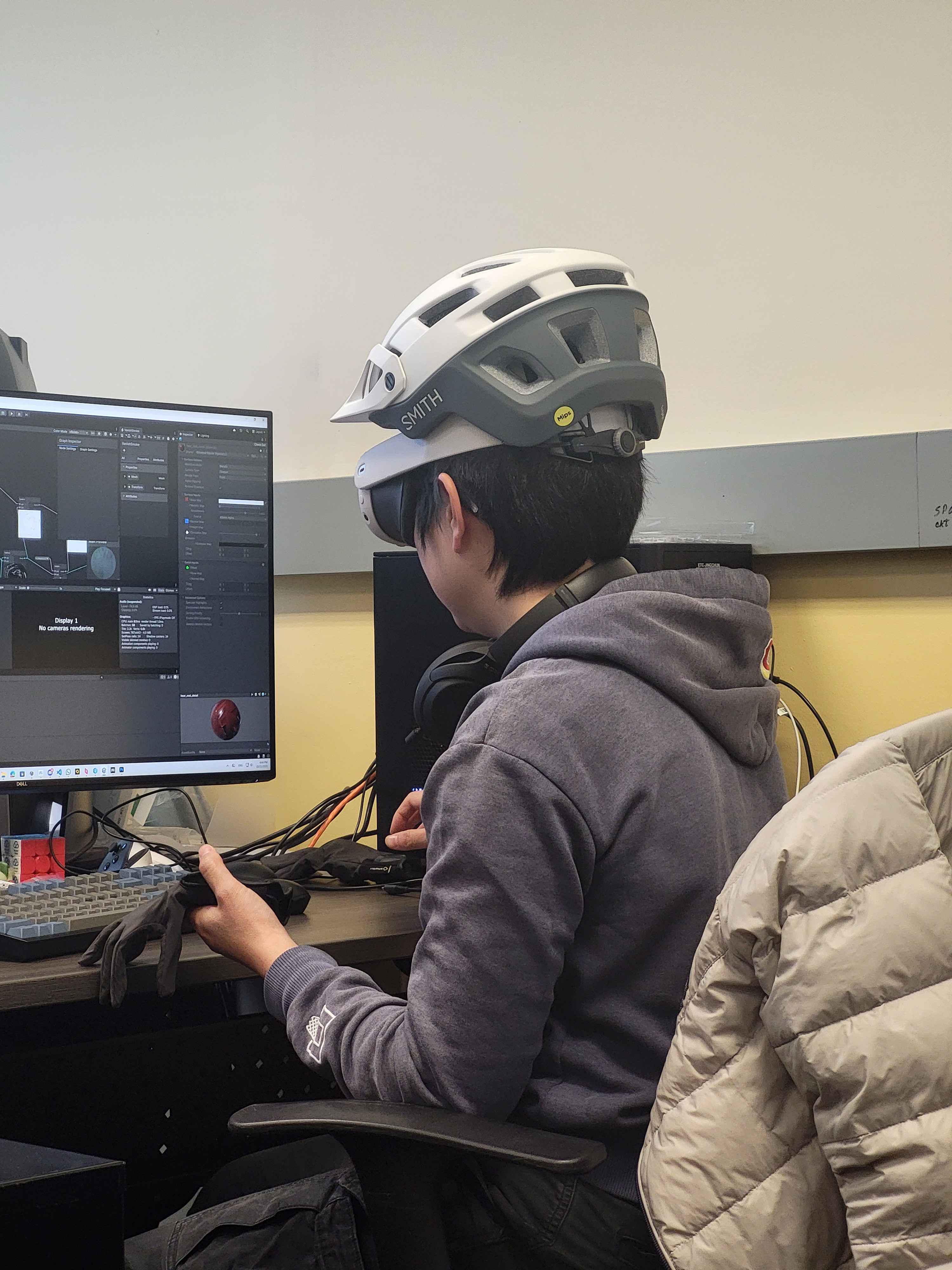
Hitch a ride when you can — find Haptic language that is universal and intuitive.
The heartbeat is a non-literal, universally shared Haptic that generates Sense Memory and effectively evokes emotion. When designing interactions, if you can find a pattern that is already universally understood, don’t hesitate — use it. Leveraging existing shared perception can significantly reduce the cost of building that understanding from scratch.
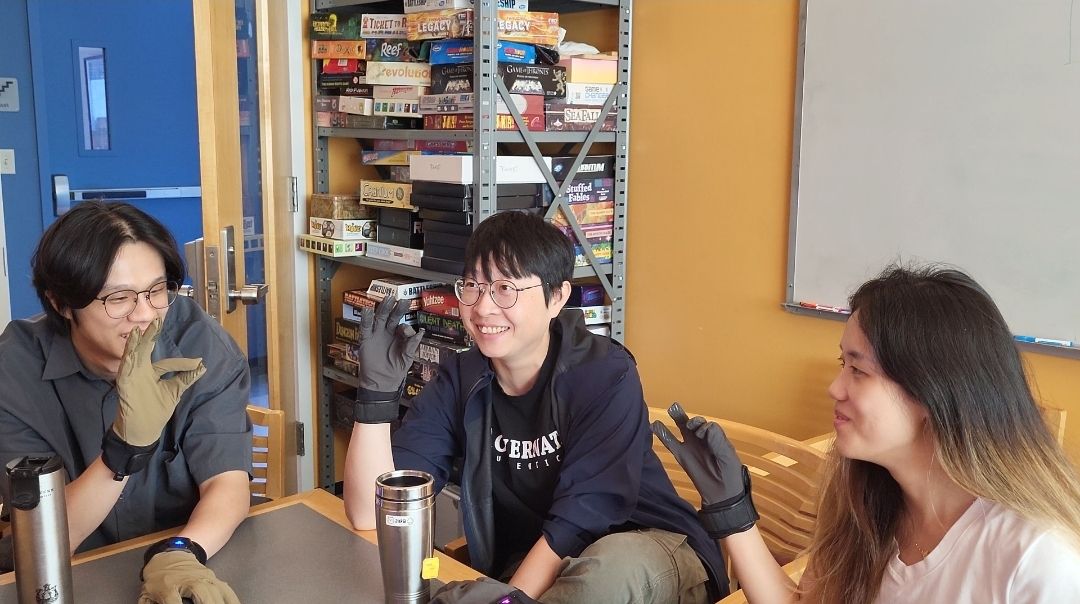
Haptics driving emotion is absolutely achievable.
Humans are multi-sensory beings, and the experiences we form are typically the result of multiple senses working together. Designing an experience flow that evokes the right emotions requires a broader orchestration of context — much like filmmaking. Haptics are absolutely qualified to be part of that ensemble, and they don’t have to play just a supporting role.